responder
English
Etymology
Pronunciation
- (Received Pronunciation) IPA(key): /ɹɪˈspɒndə/, /ɹəˈspɒndə/
Audio (Southern England): (file) - (General American, Canada) IPA(key): /ɹɪˈspɑndɚ/, /ɹəˈspɑndɚ/
- (General Australian) IPA(key): /ɹɪˈspɔndə/
- Hyphenation: re‧spond‧er
Noun
responder (plural responders)
- One who responds.
- 2014, Geoffrey N. Leech, The Pragmatics of Politeness, page 31:
- As Levinson (1983: 334) points out, signs of dispreference in turn taking include: (a) Delays: notably a pause, or a time gap, before the responder replies to the preceding turn […]
- A person who responds to an emergency situation or other summons.
- 911 responders arrived at the scene within five minutes after the call.
Derived terms
Related terms
Anagrams
Aragonese
Etymology
Inherited from Latin respondēre.
Verb
responder
- (transitive) to respond
References
- Bal Palazios, Santiago (2002), “responder”, in Dizionario breu de a luenga aragonesa, Zaragoza, →ISBN
Asturian
Etymology
Inherited from Latin respondēre, likely via Late Latin respondere.[1]
Verb
responder
Conjugation
| infinitive | responder | ||||||
|---|---|---|---|---|---|---|---|
| gerundive | respondiendo | ||||||
| participle | m respondíu, f respondida, n respondío, m pl respondíos, f pl respondíes | ||||||
| person | first singular yo |
second singular tu |
third singular él/elli |
first plural nosotros/nós |
second plural vosotros/vós |
third plural ellos | |
| indicative | present | respuendo | respuendes | respuende | respondemos | respondéis | respuenden |
| imperfect | respondía | respondíes | respondía | respondíemos | respondíeis | respondíen | |
| preterite | respondí | respondiesti | respondió | respondiemos | respondiestis | respondieron | |
| pluperfect | respondiere | respondieres | respondiere | respondiéremos | respondiereis | respondieren | |
| future | responderé | responderás | responderá | responderemos | responderéis | responderán | |
| conditional | respondería | responderíes | respondería | responderíemos/responderíamos | responderíeis/responderíais | responderíen | |
| subjunctive | present | respuenda | respuendas | respuenda | respondamos | respondáis | respuendan |
| imperfect | respondiere | respondieres | respondiere | respondiéremos | respondiereis | respondieren | |
| imperative | respuendi | respondéi | |||||
Related terms
References
- ^ Buchi, Éva; Schweickard, Wolfgang (2008–), “*/resˈpɔnd-e-/”, in Dictionnaire Étymologique Roman, Nancy: Analyse et Traitement Informatique de la Langue Française.
Galician
Etymology
Inherited from Old Galician-Portuguese responder, from Latin respondēre (likely via Late Latin respondere).[1]
Verb
responder (first-person singular present respondo, first-person singular preterite respondín, past participle respondido)
responder (first-person singular present respondo, first-person singular preterite respondim or respondi, past participle respondido, reintegrationist norm)
Conjugation
1Less recommended.
Related terms
References
- ^ Buchi, Éva; Schweickard, Wolfgang (2008–), “*/resˈpɔnd-e-/”, in Dictionnaire Étymologique Roman, Nancy: Analyse et Traitement Informatique de la Langue Française.
Interlingua
Verb
responder
- to answer
Conjugation
| infinitive | responder | |||||||||||||||||||||||||||||||||||||||||||||||||||||||||||||||||||||||||||||||||||||||||||||||||||||||||||||||||||||||||||||||||||||||||||||||||||||||||||||||||||||||||||||||||||||||||||||||||||||||||||||||||||||||||||||||||||||||||||||||||||||||||||||||||||||||||||||||||||||||||||||||||||||||||||||||||||||||||||||||||||||||||||||||||||||||||||||||||||||||||||||||||||||||||||||||||||||||||||||||||||||||||||||||||||||||||||||||||||||||||||||||||||||||||||||||||||||||||||||||||||||||||||||||||||||||||||||||||||||||||||||||||||||||||||||||||||||||||||||||||||||||||||||||||||||||||||||||||||||||||||||||||||||||||||||||||||||||||||||||||||||||||||||||||||||||||||||||||||||||||||||||||||||||||||||||||||||||||||||||||||||||||||||||||||||||||||||||||||||||||||||||||||||||||||||||||||||||||||||||||||||||||||||||||||||||||||||||||||||||||||||||||||||||||||||||||||||||||||||||||||||||||||||||||||||||||||||||||||||||||||||||||||||||||||||||||||||||||||||||||||||||||||||||||||||||||||||||||||||
|---|---|---|---|---|---|---|---|---|---|---|---|---|---|---|---|---|---|---|---|---|---|---|---|---|---|---|---|---|---|---|---|---|---|---|---|---|---|---|---|---|---|---|---|---|---|---|---|---|---|---|---|---|---|---|---|---|---|---|---|---|---|---|---|---|---|---|---|---|---|---|---|---|---|---|---|---|---|---|---|---|---|---|---|---|---|---|---|---|---|---|---|---|---|---|---|---|---|---|---|---|---|---|---|---|---|---|---|---|---|---|---|---|---|---|---|---|---|---|---|---|---|---|---|---|---|---|---|---|---|---|---|---|---|---|---|---|---|---|---|---|---|---|---|---|---|---|---|---|---|---|---|---|---|---|---|---|---|---|---|---|---|---|---|---|---|---|---|---|---|---|---|---|---|---|---|---|---|---|---|---|---|---|---|---|---|---|---|---|---|---|---|---|---|---|---|---|---|---|---|---|---|---|---|---|---|---|---|---|---|---|---|---|---|---|---|---|---|---|---|---|---|---|---|---|---|---|---|---|---|---|---|---|---|---|---|---|---|---|---|---|---|---|---|---|---|---|---|---|---|---|---|---|---|---|---|---|---|---|---|---|---|---|---|---|---|---|---|---|---|---|---|---|---|---|---|---|---|---|---|---|---|---|---|---|---|---|---|---|---|---|---|---|---|---|---|---|---|---|---|---|---|---|---|---|---|---|---|---|---|---|---|---|---|---|---|---|---|---|---|---|---|---|---|---|---|---|---|---|---|---|---|---|---|---|---|---|---|---|---|---|---|---|---|---|---|---|---|---|---|---|---|---|---|---|---|---|---|---|---|---|---|---|---|---|---|---|---|---|---|---|---|---|---|---|---|---|---|---|---|---|---|---|---|---|---|---|---|---|---|---|---|---|---|---|---|---|---|---|---|---|---|---|---|---|---|---|---|---|---|---|---|---|---|---|---|---|---|---|---|---|---|---|---|---|---|---|---|---|---|---|---|---|---|---|---|---|---|---|---|---|---|---|---|---|---|---|---|---|---|---|---|---|---|---|---|---|---|---|---|---|---|---|---|---|---|---|---|---|---|---|---|---|---|---|---|---|---|---|---|---|---|---|---|---|---|---|---|---|---|---|---|---|---|---|---|---|---|---|---|---|---|---|---|---|---|---|---|---|---|---|---|---|---|---|---|---|---|---|---|---|---|---|---|---|---|---|---|---|---|---|---|---|---|---|---|---|---|---|---|---|---|---|---|---|---|---|---|---|---|---|---|---|---|---|---|---|---|---|---|---|---|---|---|---|---|---|---|---|---|---|---|---|---|---|---|---|---|---|---|---|---|---|---|---|---|---|---|---|---|---|---|---|---|---|---|---|---|---|---|---|---|---|---|---|---|---|---|---|---|---|---|---|---|---|---|---|---|---|---|---|---|---|---|---|---|---|---|---|---|---|---|---|---|---|---|---|---|---|---|---|---|---|---|---|---|---|---|---|---|---|---|---|---|---|---|---|---|---|---|---|---|---|---|---|---|---|---|---|---|---|---|---|---|---|---|---|---|---|---|---|---|---|---|---|---|---|---|---|---|---|---|---|---|---|---|---|---|---|---|---|---|---|---|---|---|---|---|---|---|---|---|---|---|---|---|---|---|---|---|---|---|---|---|---|---|---|---|---|---|---|---|---|---|---|---|---|---|---|---|---|---|---|---|---|---|---|---|---|---|---|---|---|---|---|---|---|---|---|---|---|---|---|---|---|---|---|---|---|---|---|---|---|---|---|---|---|---|---|---|---|---|---|---|---|---|---|---|---|---|---|---|---|---|---|---|---|---|---|---|---|---|---|---|---|---|---|---|---|---|---|---|---|---|---|---|---|---|---|---|---|---|---|---|---|---|---|---|---|---|---|---|---|---|---|---|---|---|---|---|---|---|---|---|---|---|---|---|---|---|---|---|---|---|---|---|---|---|---|---|---|---|---|---|---|---|---|---|---|---|---|---|---|---|---|---|---|---|---|---|---|---|---|---|---|---|---|---|---|---|---|---|---|---|---|---|---|---|---|---|---|---|---|---|---|---|---|---|---|---|---|---|---|---|---|---|---|---|---|---|---|---|---|---|---|---|---|---|---|---|---|---|---|---|---|---|---|---|---|---|---|---|---|---|---|---|---|---|---|---|---|---|---|---|---|---|---|---|---|---|---|---|---|---|---|---|---|---|---|---|---|---|---|---|---|---|---|---|---|---|---|---|---|---|---|---|---|---|---|---|---|---|---|---|---|---|---|---|---|
| participle | present | perfect | ||||||||||||||||||||||||||||||||||||||||||||||||||||||||||||||||||||||||||||||||||||||||||||||||||||||||||||||||||||||||||||||||||||||||||||||||||||||||||||||||||||||||||||||||||||||||||||||||||||||||||||||||||||||||||||||||||||||||||||||||||||||||||||||||||||||||||||||||||||||||||||||||||||||||||||||||||||||||||||||||||||||||||||||||||||||||||||||||||||||||||||||||||||||||||||||||||||||||||||||||||||||||||||||||||||||||||||||||||||||||||||||||||||||||||||||||||||||||||||||||||||||||||||||||||||||||||||||||||||||||||||||||||||||||||||||||||||||||||||||||||||||||||||||||||||||||||||||||||||||||||||||||||||||||||||||||||||||||||||||||||||||||||||||||||||||||||||||||||||||||||||||||||||||||||||||||||||||||||||||||||||||||||||||||||||||||||||||||||||||||||||||||||||||||||||||||||||||||||||||||||||||||||||||||||||||||||||||||||||||||||||||||||||||||||||||||||||||||||||||||||||||||||||||||||||||||||||||||||||||||||||||||||||||||||||||||||||||||||||||||||||||||||||||||||||||||||||||||||||
| respondente | respondite | |||||||||||||||||||||||||||||||||||||||||||||||||||||||||||||||||||||||||||||||||||||||||||||||||||||||||||||||||||||||||||||||||||||||||||||||||||||||||||||||||||||||||||||||||||||||||||||||||||||||||||||||||||||||||||||||||||||||||||||||||||||||||||||||||||||||||||||||||||||||||||||||||||||||||||||||||||||||||||||||||||||||||||||||||||||||||||||||||||||||||||||||||||||||||||||||||||||||||||||||||||||||||||||||||||||||||||||||||||||||||||||||||||||||||||||||||||||||||||||||||||||||||||||||||||||||||||||||||||||||||||||||||||||||||||||||||||||||||||||||||||||||||||||||||||||||||||||||||||||||||||||||||||||||||||||||||||||||||||||||||||||||||||||||||||||||||||||||||||||||||||||||||||||||||||||||||||||||||||||||||||||||||||||||||||||||||||||||||||||||||||||||||||||||||||||||||||||||||||||||||||||||||||||||||||||||||||||||||||||||||||||||||||||||||||||||||||||||||||||||||||||||||||||||||||||||||||||||||||||||||||||||||||||||||||||||||||||||||||||||||||||||||||||||||||||||||||||||||||||
| active | simple | perfect | ||||||||||||||||||||||||||||||||||||||||||||||||||||||||||||||||||||||||||||||||||||||||||||||||||||||||||||||||||||||||||||||||||||||||||||||||||||||||||||||||||||||||||||||||||||||||||||||||||||||||||||||||||||||||||||||||||||||||||||||||||||||||||||||||||||||||||||||||||||||||||||||||||||||||||||||||||||||||||||||||||||||||||||||||||||||||||||||||||||||||||||||||||||||||||||||||||||||||||||||||||||||||||||||||||||||||||||||||||||||||||||||||||||||||||||||||||||||||||||||||||||||||||||||||||||||||||||||||||||||||||||||||||||||||||||||||||||||||||||||||||||||||||||||||||||||||||||||||||||||||||||||||||||||||||||||||||||||||||||||||||||||||||||||||||||||||||||||||||||||||||||||||||||||||||||||||||||||||||||||||||||||||||||||||||||||||||||||||||||||||||||||||||||||||||||||||||||||||||||||||||||||||||||||||||||||||||||||||||||||||||||||||||||||||||||||||||||||||||||||||||||||||||||||||||||||||||||||||||||||||||||||||||||||||||||||||||||||||||||||||||||||||||||||||||||||||||||||||||||
| present | responde | ha respondite | ||||||||||||||||||||||||||||||||||||||||||||||||||||||||||||||||||||||||||||||||||||||||||||||||||||||||||||||||||||||||||||||||||||||||||||||||||||||||||||||||||||||||||||||||||||||||||||||||||||||||||||||||||||||||||||||||||||||||||||||||||||||||||||||||||||||||||||||||||||||||||||||||||||||||||||||||||||||||||||||||||||||||||||||||||||||||||||||||||||||||||||||||||||||||||||||||||||||||||||||||||||||||||||||||||||||||||||||||||||||||||||||||||||||||||||||||||||||||||||||||||||||||||||||||||||||||||||||||||||||||||||||||||||||||||||||||||||||||||||||||||||||||||||||||||||||||||||||||||||||||||||||||||||||||||||||||||||||||||||||||||||||||||||||||||||||||||||||||||||||||||||||||||||||||||||||||||||||||||||||||||||||||||||||||||||||||||||||||||||||||||||||||||||||||||||||||||||||||||||||||||||||||||||||||||||||||||||||||||||||||||||||||||||||||||||||||||||||||||||||||||||||||||||||||||||||||||||||||||||||||||||||||||||||||||||||||||||||||||||||||||||||||||||||||||||||||||||||||||||
| past | respondeva | habeva respondite | ||||||||||||||||||||||||||||||||||||||||||||||||||||||||||||||||||||||||||||||||||||||||||||||||||||||||||||||||||||||||||||||||||||||||||||||||||||||||||||||||||||||||||||||||||||||||||||||||||||||||||||||||||||||||||||||||||||||||||||||||||||||||||||||||||||||||||||||||||||||||||||||||||||||||||||||||||||||||||||||||||||||||||||||||||||||||||||||||||||||||||||||||||||||||||||||||||||||||||||||||||||||||||||||||||||||||||||||||||||||||||||||||||||||||||||||||||||||||||||||||||||||||||||||||||||||||||||||||||||||||||||||||||||||||||||||||||||||||||||||||||||||||||||||||||||||||||||||||||||||||||||||||||||||||||||||||||||||||||||||||||||||||||||||||||||||||||||||||||||||||||||||||||||||||||||||||||||||||||||||||||||||||||||||||||||||||||||||||||||||||||||||||||||||||||||||||||||||||||||||||||||||||||||||||||||||||||||||||||||||||||||||||||||||||||||||||||||||||||||||||||||||||||||||||||||||||||||||||||||||||||||||||||||||||||||||||||||||||||||||||||||||||||||||||||||||||||||||||||||
| future | respondera | habera respondite | ||||||||||||||||||||||||||||||||||||||||||||||||||||||||||||||||||||||||||||||||||||||||||||||||||||||||||||||||||||||||||||||||||||||||||||||||||||||||||||||||||||||||||||||||||||||||||||||||||||||||||||||||||||||||||||||||||||||||||||||||||||||||||||||||||||||||||||||||||||||||||||||||||||||||||||||||||||||||||||||||||||||||||||||||||||||||||||||||||||||||||||||||||||||||||||||||||||||||||||||||||||||||||||||||||||||||||||||||||||||||||||||||||||||||||||||||||||||||||||||||||||||||||||||||||||||||||||||||||||||||||||||||||||||||||||||||||||||||||||||||||||||||||||||||||||||||||||||||||||||||||||||||||||||||||||||||||||||||||||||||||||||||||||||||||||||||||||||||||||||||||||||||||||||||||||||||||||||||||||||||||||||||||||||||||||||||||||||||||||||||||||||||||||||||||||||||||||||||||||||||||||||||||||||||||||||||||||||||||||||||||||||||||||||||||||||||||||||||||||||||||||||||||||||||||||||||||||||||||||||||||||||||||||||||||||||||||||||||||||||||||||||||||||||||||||||||||||||||||||
| conditional | responderea | haberea respondite | ||||||||||||||||||||||||||||||||||||||||||||||||||||||||||||||||||||||||||||||||||||||||||||||||||||||||||||||||||||||||||||||||||||||||||||||||||||||||||||||||||||||||||||||||||||||||||||||||||||||||||||||||||||||||||||||||||||||||||||||||||||||||||||||||||||||||||||||||||||||||||||||||||||||||||||||||||||||||||||||||||||||||||||||||||||||||||||||||||||||||||||||||||||||||||||||||||||||||||||||||||||||||||||||||||||||||||||||||||||||||||||||||||||||||||||||||||||||||||||||||||||||||||||||||||||||||||||||||||||||||||||||||||||||||||||||||||||||||||||||||||||||||||||||||||||||||||||||||||||||||||||||||||||||||||||||||||||||||||||||||||||||||||||||||||||||||||||||||||||||||||||||||||||||||||||||||||||||||||||||||||||||||||||||||||||||||||||||||||||||||||||||||||||||||||||||||||||||||||||||||||||||||||||||||||||||||||||||||||||||||||||||||||||||||||||||||||||||||||||||||||||||||||||||||||||||||||||||||||||||||||||||||||||||||||||||||||||||||||||||||||||||||||||||||||||||||||||||||||||
| imperative | responde | — | ||||||||||||||||||||||||||||||||||||||||||||||||||||||||||||||||||||||||||||||||||||||||||||||||||||||||||||||||||||||||||||||||||||||||||||||||||||||||||||||||||||||||||||||||||||||||||||||||||||||||||||||||||||||||||||||||||||||||||||||||||||||||||||||||||||||||||||||||||||||||||||||||||||||||||||||||||||||||||||||||||||||||||||||||||||||||||||||||||||||||||||||||||||||||||||||||||||||||||||||||||||||||||||||||||||||||||||||||||||||||||||||||||||||||||||||||||||||||||||||||||||||||||||||||||||||||||||||||||||||||||||||||||||||||||||||||||||||||||||||||||||||||||||||||||||||||||||||||||||||||||||||||||||||||||||||||||||||||||||||||||||||||||||||||||||||||||||||||||||||||||||||||||||||||||||||||||||||||||||||||||||||||||||||||||||||||||||||||||||||||||||||||||||||||||||||||||||||||||||||||||||||||||||||||||||||||||||||||||||||||||||||||||||||||||||||||||||||||||||||||||||||||||||||||||||||||||||||||||||||||||||||||||||||||||||||||||||||||||||||||||||||||||||||||||||||||||||||||||||
| passive | simple | perfect | ||||||||||||||||||||||||||||||||||||||||||||||||||||||||||||||||||||||||||||||||||||||||||||||||||||||||||||||||||||||||||||||||||||||||||||||||||||||||||||||||||||||||||||||||||||||||||||||||||||||||||||||||||||||||||||||||||||||||||||||||||||||||||||||||||||||||||||||||||||||||||||||||||||||||||||||||||||||||||||||||||||||||||||||||||||||||||||||||||||||||||||||||||||||||||||||||||||||||||||||||||||||||||||||||||||||||||||||||||||||||||||||||||||||||||||||||||||||||||||||||||||||||||||||||||||||||||||||||||||||||||||||||||||||||||||||||||||||||||||||||||||||||||||||||||||||||||||||||||||||||||||||||||||||||||||||||||||||||||||||||||||||||||||||||||||||||||||||||||||||||||||||||||||||||||||||||||||||||||||||||||||||||||||||||||||||||||||||||||||||||||||||||||||||||||||||||||||||||||||||||||||||||||||||||||||||||||||||||||||||||||||||||||||||||||||||||||||||||||||||||||||||||||||||||||||||||||||||||||||||||||||||||||||||||||||||||||||||||||||||||||||||||||||||||||||||||||||||||||||
| present | es respondite | ha essite respondite | ||||||||||||||||||||||||||||||||||||||||||||||||||||||||||||||||||||||||||||||||||||||||||||||||||||||||||||||||||||||||||||||||||||||||||||||||||||||||||||||||||||||||||||||||||||||||||||||||||||||||||||||||||||||||||||||||||||||||||||||||||||||||||||||||||||||||||||||||||||||||||||||||||||||||||||||||||||||||||||||||||||||||||||||||||||||||||||||||||||||||||||||||||||||||||||||||||||||||||||||||||||||||||||||||||||||||||||||||||||||||||||||||||||||||||||||||||||||||||||||||||||||||||||||||||||||||||||||||||||||||||||||||||||||||||||||||||||||||||||||||||||||||||||||||||||||||||||||||||||||||||||||||||||||||||||||||||||||||||||||||||||||||||||||||||||||||||||||||||||||||||||||||||||||||||||||||||||||||||||||||||||||||||||||||||||||||||||||||||||||||||||||||||||||||||||||||||||||||||||||||||||||||||||||||||||||||||||||||||||||||||||||||||||||||||||||||||||||||||||||||||||||||||||||||||||||||||||||||||||||||||||||||||||||||||||||||||||||||||||||||||||||||||||||||||||||||||||||||||||
| past | esseva respondite | habeva essite respondite | ||||||||||||||||||||||||||||||||||||||||||||||||||||||||||||||||||||||||||||||||||||||||||||||||||||||||||||||||||||||||||||||||||||||||||||||||||||||||||||||||||||||||||||||||||||||||||||||||||||||||||||||||||||||||||||||||||||||||||||||||||||||||||||||||||||||||||||||||||||||||||||||||||||||||||||||||||||||||||||||||||||||||||||||||||||||||||||||||||||||||||||||||||||||||||||||||||||||||||||||||||||||||||||||||||||||||||||||||||||||||||||||||||||||||||||||||||||||||||||||||||||||||||||||||||||||||||||||||||||||||||||||||||||||||||||||||||||||||||||||||||||||||||||||||||||||||||||||||||||||||||||||||||||||||||||||||||||||||||||||||||||||||||||||||||||||||||||||||||||||||||||||||||||||||||||||||||||||||||||||||||||||||||||||||||||||||||||||||||||||||||||||||||||||||||||||||||||||||||||||||||||||||||||||||||||||||||||||||||||||||||||||||||||||||||||||||||||||||||||||||||||||||||||||||||||||||||||||||||||||||||||||||||||||||||||||||||||||||||||||||||||||||||||||||||||||||||||||||||||
| future | essera respondite | habera essite respondite | ||||||||||||||||||||||||||||||||||||||||||||||||||||||||||||||||||||||||||||||||||||||||||||||||||||||||||||||||||||||||||||||||||||||||||||||||||||||||||||||||||||||||||||||||||||||||||||||||||||||||||||||||||||||||||||||||||||||||||||||||||||||||||||||||||||||||||||||||||||||||||||||||||||||||||||||||||||||||||||||||||||||||||||||||||||||||||||||||||||||||||||||||||||||||||||||||||||||||||||||||||||||||||||||||||||||||||||||||||||||||||||||||||||||||||||||||||||||||||||||||||||||||||||||||||||||||||||||||||||||||||||||||||||||||||||||||||||||||||||||||||||||||||||||||||||||||||||||||||||||||||||||||||||||||||||||||||||||||||||||||||||||||||||||||||||||||||||||||||||||||||||||||||||||||||||||||||||||||||||||||||||||||||||||||||||||||||||||||||||||||||||||||||||||||||||||||||||||||||||||||||||||||||||||||||||||||||||||||||||||||||||||||||||||||||||||||||||||||||||||||||||||||||||||||||||||||||||||||||||||||||||||||||||||||||||||||||||||||||||||||||||||||||||||||||||||||||||||||||||
| conditional | esserea respondite | haberea essite respondite | ||||||||||||||||||||||||||||||||||||||||||||||||||||||||||||||||||||||||||||||||||||||||||||||||||||||||||||||||||||||||||||||||||||||||||||||||||||||||||||||||||||||||||||||||||||||||||||||||||||||||||||||||||||||||||||||||||||||||||||||||||||||||||||||||||||||||||||||||||||||||||||||||||||||||||||||||||||||||||||||||||||||||||||||||||||||||||||||||||||||||||||||||||||||||||||||||||||||||||||||||||||||||||||||||||||||||||||||||||||||||||||||||||||||||||||||||||||||||||||||||||||||||||||||||||||||||||||||||||||||||||||||||||||||||||||||||||||||||||||||||||||||||||||||||||||||||||||||||||||||||||||||||||||||||||||||||||||||||||||||||||||||||||||||||||||||||||||||||||||||||||||||||||||||||||||||||||||||||||||||||||||||||||||||||||||||||||||||||||||||||||||||||||||||||||||||||||||||||||||||||||||||||||||||||||||||||||||||||||||||||||||||||||||||||||||||||||||||||||||||||||||||||||||||||||||||||||||||||||||||||||||||||||||||||||||||||||||||||||||||||||||||||||||||||||||||||||||||||||||
| imperative | sia respondite | — | ||||||||||||||||||||||||||||||||||||||||||||||||||||||||||||||||||||||||||||||||||||||||||||||||||||||||||||||||||||||||||||||||||||||||||||||||||||||||||||||||||||||||||||||||||||||||||||||||||||||||||||||||||||||||||||||||||||||||||||||||||||||||||||||||||||||||||||||||||||||||||||||||||||||||||||||||||||||||||||||||||||||||||||||||||||||||||||||||||||||||||||||||||||||||||||||||||||||||||||||||||||||||||||||||||||||||||||||||||||||||||||||||||||||||||||||||||||||||||||||||||||||||||||||||||||||||||||||||||||||||||||||||||||||||||||||||||||||||||||||||||||||||||||||||||||||||||||||||||||||||||||||||||||||||||||||||||||||||||||||||||||||||||||||||||||||||||||||||||||||||||||||||||||||||||||||||||||||||||||||||||||||||||||||||||||||||||||||||||||||||||||||||||||||||||||||||||||||||||||||||||||||||||||||||||||||||||||||||||||||||||||||||||||||||||||||||||||||||||||||||||||||||||||||||||||||||||||||||||||||||||||||||||||||||||||||||||||||||||||||||||||||||||||||||||||||||||||||||||||
Ladino
Etymology
Inherited from Old Spanish responder, inherited from Latin respondēre (likely via Late Latin respondĕre).[1]
Pronunciation
Audio (Paris): (file)
Verb
responder (Hebrew spelling ריספונדיר)[2]
- (ambitransitive) to answer; to reply (to give a written or spoken response)
- 1997, Aki Yerushalayim, volumes 18–19, page 61:
- A lo kualo la tia Dudu respondia Barminam!
- To which aunt Dudu replied L-rd have mercy!
- 2006, Matilda Koén-Sarano, Por el plazer de kontar[2], page 193:
- Le respondió la mama: "Diez dedos ay en las manos. Kada uno duele en la mizma manera? No! El diamante es para el diamante!"
- The mum replied, ‘There are ten fingers on the hands. Each one hurts the same way? No! The diamond is for the diamond!’
References
- ^ Buchi, Éva; Schweickard, Wolfgang (2008–), “*/resˈpɔnd-e-/”, in Dictionnaire Étymologique Roman, Nancy: Analyse et Traitement Informatique de la Langue Française.
- ^ “responder”, in Trezoro de la Lengua Djudeoespanyola [Treasury of the Judeo-Spanish Language] (in Ladino, Hebrew, and English), Instituto Maale Adumim
Old Galician-Portuguese
Etymology
Inherited from Latin respondēre (likely via Late Latin respondĕre).[1]
Verb
responder
- (ambitransitive) to answer; to reply (to give a written or spoken response) [2]
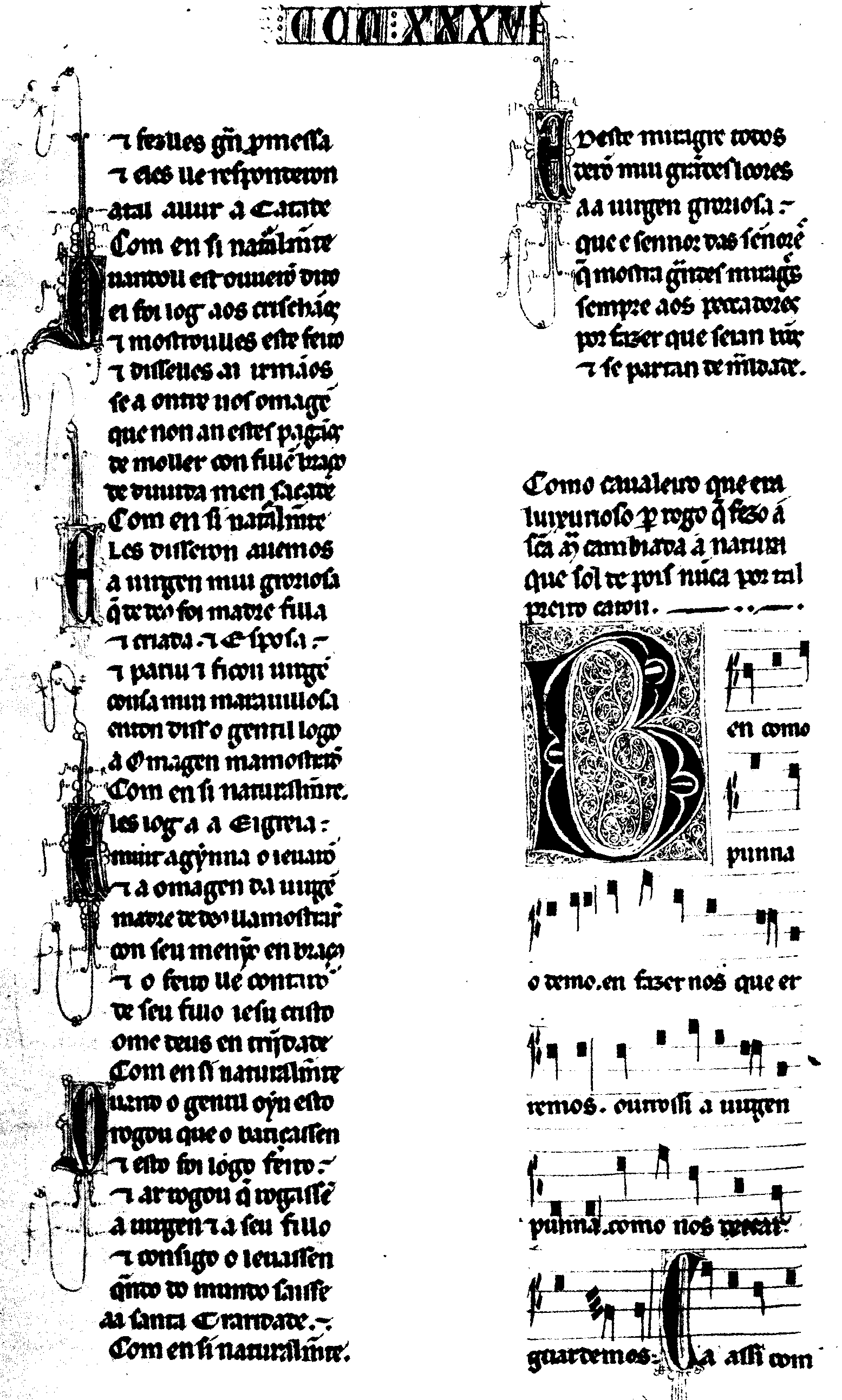
- a. 1284, Alfonso X of Castile, Cantigas de Santa Maria, Códice de los músicos, cantiga 335 (facsimile):
- ⁊ eles lle reſponderon / atal allur a catade.
- And they answered him: / go seek her elsewhere.
Descendants
References
- ^ Buchi, Éva; Schweickard, Wolfgang (2008–), “*/resˈpɔnd-e-/”, in Dictionnaire Étymologique Roman, Nancy: Analyse et Traitement Informatique de la Langue Française.
- ^ Seoane, Ernesto Xosé González; Granja, María Álvarez de la; Agrelo, Ana Isabel Boullón (2006–2022), “responder”, in Dicionario de Dicionarios do galego medieval [Dictionary of dictionaries of Medieval Galician] (in Galician), Santiago de Compostela: Instituto da Lingua Galega
Old Spanish
Etymology
Inherited from Latin respondēre (likely via Late Latin respondĕre).[1]
Verb
responder (first-person singular present respondo, first-person singular preterite respuse, past participle respuso)
- (ambitransitive) to answer; to reply (to give a written or spoken response) [2]
- c. 1275, Alfonso X, General Estoria, primera parte, (published by Pedro Sánchez Prieto-Borja, 2002, Alcalá de Henares: Universidad de Alcalá de Henares):
- E respusol ella: - Beve, mio señor, cuanto quisieres.
- And she replied to him, ‘Drink, milord, as much as you want.’
- c. 1280, Alfonso X, General Estoria, tercera parte, (published by Pedro Sánchez-Prieto Borja and Bautista Horcajada Diezma, 1994, Madrid: Gredos, page 344):
- […] e si respuende que non quier con el morar & que quiere maldizer el nonbre de Jhesu Cristo e lo quiere traer a la su carrera mala e a otro pecado mortal, dara la Iglesia a este otro licençia que case.
- [in the context of a man converted from Judaism to Christianity, regarding his Jewish wife] […] and if she replies that she wills not to live with him anymore, and that she is willing to curse the name of Jesus Christ and take him [back] to her bad ways or some other mortal sin, the Church shall give him a licence to [re]marry.
Usage notes
In stem-stressed forms, the present is attested with diphthongization, respuendo, but is very rare. Same is true of the past participle repuso.
Descendants
References
- ^ Buchi, Éva; Schweickard, Wolfgang (2008–), “*/resˈpɔnd-e-/”, in Dictionnaire Étymologique Roman, Nancy: Analyse et Traitement Informatique de la Langue Française.
- ^ Ralph Steele Boggs et al. (1946), “responder”, in Tentative Dictionary of Medieval Spanish, volume II, Chapel Hill, page 440
Portuguese
Etymology
Inherited from Old Galician-Portuguese responder, from Latin respondēre (“answer”) (likely via Late Latin respondere),[1] from re- & spondeō (“promise”).
Pronunciation
- (Brazil) IPA(key): /ʁes.põˈde(ʁ)/ [hes.põˈde(h)]
- (São Paulo) IPA(key): /ʁes.põˈde(ɾ)/ [hes.põˈde(ɾ)]
- (Rio de Janeiro) IPA(key): /ʁeʃ.põˈde(ʁ)/ [χeʃ.põˈde(χ)]
- (Caipira) IPA(key): /ʁes.põˈde(ɻ)/ [hes.põˈde(ɻ)]
- (Portugal) IPA(key): /ʁɨʃ.põˈdeɾ/
- (Southern Portugal) IPA(key): /ʁɨʃ.põˈde.ɾi/
Verb
responder (first-person singular present respondo, first-person singular preterite respondi, past participle respondido)
- to answer; to reply (to give a written or spoken response)
- (intransitive) to retort frequently
- Synonym: retrucar
- to correspond to (to be equivalent to)
- Synonyms: corresponder, equivaler
- to counterattack
- Synonyms: contratacar, reagir, revidar
- (intransitive) to be responsible (for something)
- (law, intransitive) to be a defendant
Conjugation
Related terms
References
- ^ Buchi, Éva; Schweickard, Wolfgang (2008–), “*/resˈpɔnd-e-/”, in Dictionnaire Étymologique Roman, Nancy: Analyse et Traitement Informatique de la Langue Française.
Further reading
- “responder”, in Dicionário Aulete Digital (in Portuguese), Rio de Janeiro: Lexikon Editora Digital, 2008–2026
- “responder”, in Dicionário Priberam da Língua Portuguesa (in Portuguese), Lisbon: Priberam, 2008–2026
Spanish
Etymology
Inherited from Old Spanish responder, inherited from Latin respondēre (likely via Late Latin respondĕre).[1] The original past participle was respuso or repuso in Old Spanish.[2] The expected diphthongization of stressed Latin /ŏ/ is found in Asturian responder (that is, respuendo) and sporadically in Old Spanish as well.
Pronunciation
- IPA(key): /responˈdeɾ/ [res.põn̪ˈd̪eɾ]
Audio (Colombia): (file) - Rhymes: -eɾ
- Syllabification: res‧pon‧der
Verb
responder (first-person singular present respondo, first-person singular preterite respondí, past participle respondido)
- (ambitransitive) to answer, to reply
- Synonym: contestar
- responde al nombre de ― his/her name is
- Respondí rápido tus preguntas. ― I answered your questions fast.
- Me gusta que respondas así. ― I like that you give answers like that.
- Lo siento, no te pude responder la llamada. ― Sorry, I couldn't answer your (phone) call.
- Respóndele a tu madre, no te quedes callada. ― Reply to your mother, don't stay silent.
- 2020 July 9, Carlos E. Cué, Miguel González, “Sánchez plantea revisar la inviolabilidad del Rey en la Constitución”, in El País[3], archived from the original on 10 July 2020:
- Cuando se le preguntó si se está buscando “alguna salida” para el rey emérito, Calvo respondió que el futuro de Juan Carlos I “compete fundamentalmente a la decisión que tome el jefe de la Casa Real, que es el actual rey Felipe VI”.
- (please add an English translation of this quotation)
- (ambitransitive) to talk back, to answer back (to respond defiantly and inappropriately)
- Synonyms: argumentar, rebatir, replicar
- Mira cómo responde la niña de malcriada. ― Notice how the girl talks back, she's so spoiled.
- (intransitive) to respond, to react (to someone else's actions)
- La audiencia respondía bien a sus chistes. ― The audience was responding well to his jokes.
- Los revolucionarios respondimos con más violencia ante su represión. ― We the revolutionaries, facing their repression, responded with more violence.
- (intransitive) to answer for, to be responsible for, vouch for (with por)
- Synonym: responsabilizarse por
- Necesito un fiador que responda por mí. ― I need a guarantor to vouch for me.
- (intransitive, medicine) to react, to respond (to a treatment, with a)
- El paciente no respondió bien al tratamiento. ― The patient didn't respond well to the treatment.
Conjugation
These forms are generated automatically and may not actually be used. Pronoun usage varies by region.
| singular | plural | ||||||
|---|---|---|---|---|---|---|---|
| 1st person | 2nd person | 3rd person | 1st person | 2nd person | 3rd person | ||
| with infinitive responder | dative | responderme | responderte | responderle, responderse | respondernos | responderos | responderles, responderse |
| accusative | responderme | responderte | responderlo, responderla, responderse | respondernos | responderos | responderlos, responderlas, responderse | |
| with gerund respondiendo | dative | respondiéndome | respondiéndote | respondiéndole, respondiéndose | respondiéndonos | respondiéndoos | respondiéndoles, respondiéndose |
| accusative | respondiéndome | respondiéndote | respondiéndolo, respondiéndola, respondiéndose | respondiéndonos | respondiéndoos | respondiéndolos, respondiéndolas, respondiéndose | |
| with informal second-person singular tuteo imperative responde | dative | respóndeme | respóndete | respóndele | respóndenos | not used | respóndeles |
| accusative | respóndeme | respóndete | respóndelo, respóndela | respóndenos | not used | respóndelos, respóndelas | |
| with informal second-person singular voseo imperative respondé | dative | respondeme | respondete | respondele | respondenos | not used | respondeles |
| accusative | respondeme | respondete | respondelo, respondela | respondenos | not used | respondelos, respondelas | |
| with formal second-person singular imperative responda | dative | respóndame | not used | respóndale, respóndase | respóndanos | not used | respóndales |
| accusative | respóndame | not used | respóndalo, respóndala, respóndase | respóndanos | not used | respóndalos, respóndalas | |
| with first-person plural imperative respondamos | dative | not used | respondámoste | respondámosle | respondámonos | respondámoos | respondámosles |
| accusative | not used | respondámoste | respondámoslo, respondámosla | respondámonos | respondámoos | respondámoslos, respondámoslas | |
| with informal second-person plural imperative responded | dative | respondedme | not used | respondedle | respondednos | respondeos | respondedles |
| accusative | respondedme | not used | respondedlo, respondedla | respondednos | respondeos | respondedlos, respondedlas | |
| with formal second-person plural imperative respondan | dative | respóndanme | not used | respóndanle | respóndannos | not used | respóndanles, respóndanse |
| accusative | respóndanme | not used | respóndanlo, respóndanla | respóndannos | not used | respóndanlos, respóndanlas, respóndanse | |
Derived terms
Related terms
References
- ^ Buchi, Éva; Schweickard, Wolfgang (2008–), “*/resˈpɔnd-e-/”, in Dictionnaire Étymologique Roman, Nancy: Analyse et Traitement Informatique de la Langue Française.
- ^ Coromines, Joan; Pascual, José Antonio (1985), “responder”, in Diccionario crítico etimológico castellano e hispánico [Critical Castilian and Hispanic etymological dictionary][1] (in Spanish), volume IV (Me–Re), Madrid: Gredos, →ISBN, page 887
Further reading
- “responder”, in Diccionario de la lengua española [Dictionary of the Spanish Language] (in Spanish), online version 23.8.1, Royal Spanish Academy [Spanish: Real Academia Española], 15 December 2025